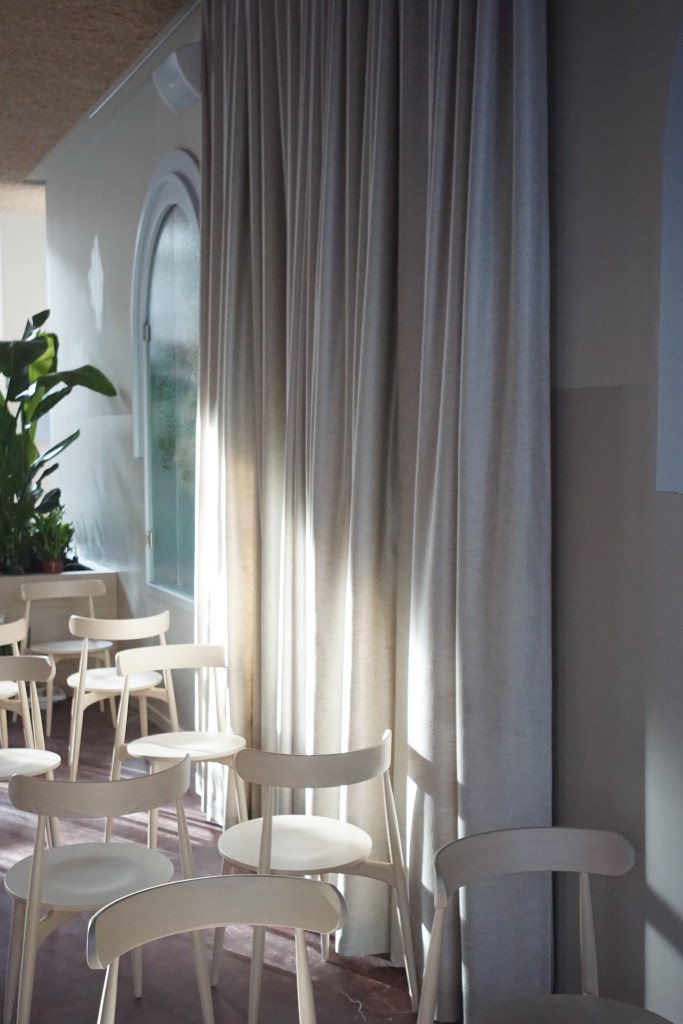
Zinnia is a creative event venue located in the historic centre of Brussels, designed for professional meetings, workshops, networking events, product launches, and curated corporate gatherings.
We joined the project during its final renovation phase to define its market positioning, structure its commercial model, and lead its market introduction.
Context
The Brussels event market is dense and highly competitive, with most venues positioned around flexibility and aesthetic appeal. This resulted in low differentiation and shifted decision making toward price, location, or availability.
The opportunity was to position the venue not as a neutral space, but as a structured product designed for professional use. The objective was to create clarity in a category that is typically ambiguous.
Role
As Project and Commercial Lead, we aligned concept, positioning, operations, and revenue logic.
Our work included defining the strategic narrative, translating the offer into clear commercial formats, designing pricing and booking structures, and ensuring consistency across all client touchpoints. We also structured and oversaw corporate communication channels, including LinkedIn and newsletters, and built a qualified client database to support outbound activity and long term relationship development.
In parallel, we prepared the on site team to deliver a coherent and reliable client experience.
The objective was to make the venue understandable and usable from the first interaction through to execution.
Strategy
The core strategic decision was to remove ambiguity from both positioning and usage.
Instead of promoting versatility, the venue was framed around clearly defined use cases such as meetings, workshops, afterworks, networking events, and product launches. This reduced cognitive load and accelerated decision making.
Commercially, the focus was on reducing friction in first bookings while enabling a consultative sales approach for more complex requests. The client journey was structured to move from clarity to trust, and from trust to recurrence.
Partnerships were established with a curated network of external, trusted, providers to extend the venue’s capabilities without increasing internal complexity. This included caterers, A/V companies, decoration specialists, staffing agencies, and live music and DJ providers. Each partner was selected based on reliability, quality of execution, and alignment with the venue’s positioning. These partnerships enable the delivery of consistent, end to end event experiences while maintaining operational control and flexibility. They also support the sales process by allowing client requests to be addressed quickly and with confidence.
Corporate communication supported this approach. Content on LinkedIn and through newsletters reinforced positioning, demonstrated use cases, and maintained ongoing visibility with target audiences. The client database was structured to enable consistent follow up and long term relationship building.
Operational systems supported this logic. Pricing was designed to be legible and predictable, and communication remained direct and functional.
Staff training ensured that this strategy translated into execution. The team was trained on CRM utilisation to maintain visibility across the sales pipeline, on managing client expectations and relationships, and on translating validated quotations into concrete event delivery. This ensured continuity between what was sold and what was delivered.
Launch
The market introduction was built around demonstration rather than promotion.
The opening event was designed as a live use case of the venue. Guests experienced the space in context, interacting with it as they would during an actual event. This allowed the positioning to be understood expressed through direct experience rather than explanation.
Results
The launch generated immediate validation and early commercial traction. Attendance was strong and engagement levels indicated a clear understanding of the offer.
Post event follow up resulted in a qualified pipeline of relevant leads, primarily from corporate and agency profiles aligned with the intended positioning. Ongoing communication and database structuring supported continued engagement beyond the initial launch.
Early sales interactions required minimal explanation, confirming that positioning, communication, and team alignment were effective.
The project transitioned from concept to an operational venue with a coherent commercial model and a team capable of delivering a consistent experience.
Impact
Zinnia established itself as a defined and reliable alternative within the Brussels event ecosystem. Its positioning supported repeat usage, stronger client relationships, and more predictable revenue over time.
The project demonstrated how clear positioning, structured communication, and aligned operations created a durable competitive advantage in a saturated category.
Key Takeaways
Clear positioning reduces sales friction and accelerates decision making.
Structured communication supports long term client development.
Operational consistency depends on both systems and team capability.
Training is critical to translating strategy into execution.
Market entry should demonstrate value through experience, not description.
Long term revenue is driven by recurrence, not volume.
Form follows function
 sondalisa.com